
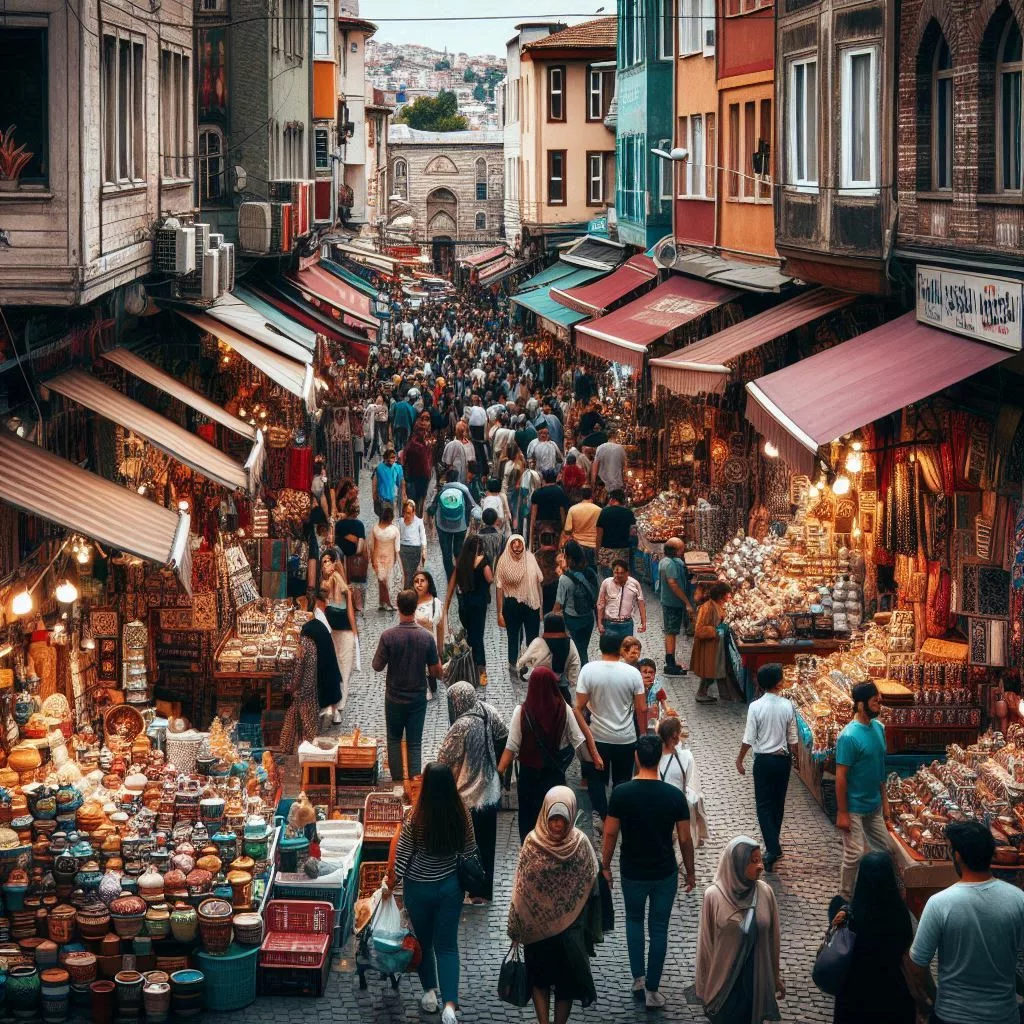
Welcome
This is not a booking site. It’s Istanbul, lived.
-
BEŞIKTAŞ — The Everyday Pulse
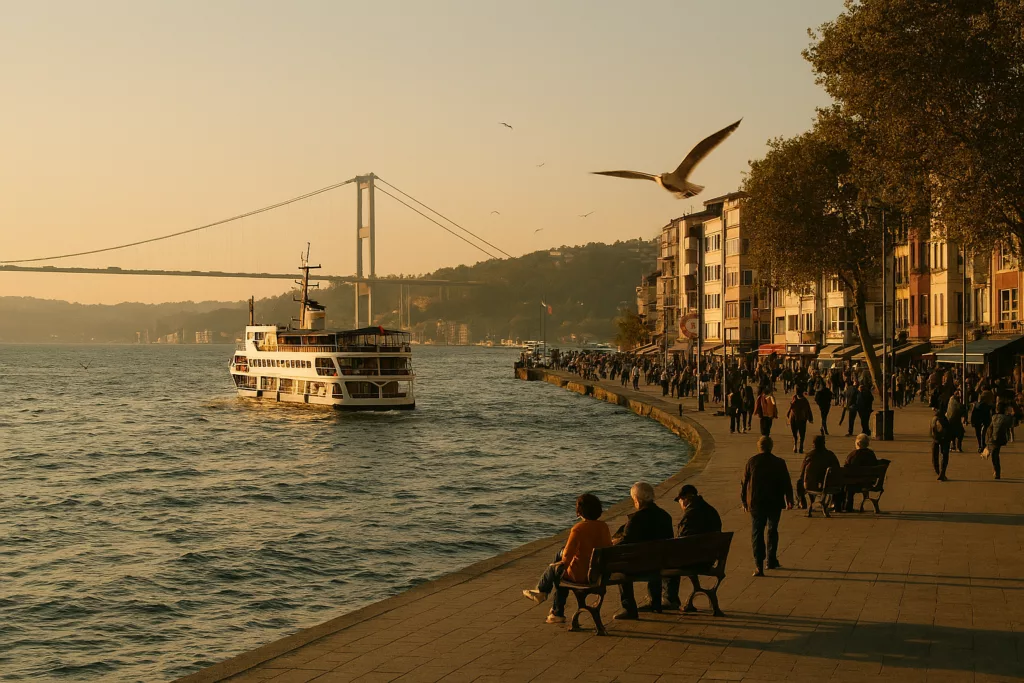
A District That Moves With the City Beşiktaş is one of the most energetic, lived‑in, and unmistakably local districts on the European side of Istanbul.It is not polished like Nişantaşı, not monumental like Fatih, not chaotic like Beyoğlu — but something else entirely:a district that feels like the city’s heartbeat. Here, the rhythm is constant.Students
-
FATIH — The Historic Core
Where Empires Still Breathe Fatih is the oldest, densest, and most symbolically charged district of Istanbul. It is the place where the city’s two great empires — Byzantine and Ottoman — left their deepest marks. But despite its monumental architecture and global fame, Fatih is not a museum. It is a living district, full of
-
BEYOĞLU — The Electric Hill
A District That Never Settles Beyoğlu is Istanbul’s restless heart — a district that refuses to stay still, refuses to be defined, refuses to age quietly. Perched on a hill overlooking the Golden Horn, it is a place where embassies, art studios, antique shops, and neon‑lit bars coexist on steep cobblestone streets. It is Istanbul
-
The European Side of Istanbul: A Complete Guide
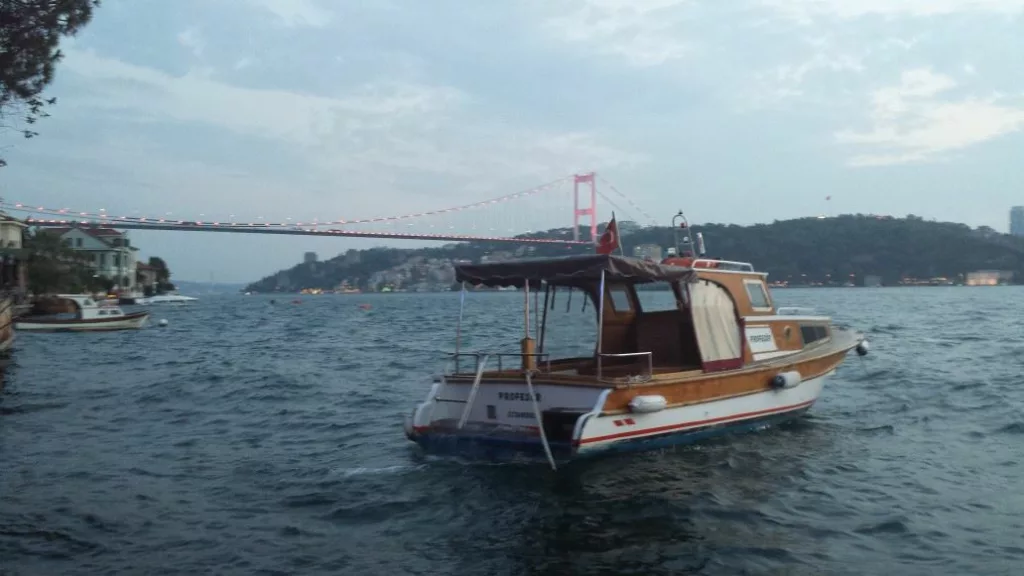
The European side of Istanbul is a place where history, culture, and everyday life meet in a way that feels both ancient and modern. This part of the city is a mosaic of neighborhoods, each with its own rhythm, architecture, and atmosphere. From the shores of the Bosphorus to the historic streets of Fatih and
-
Adalar: Islands of Pause and Projection
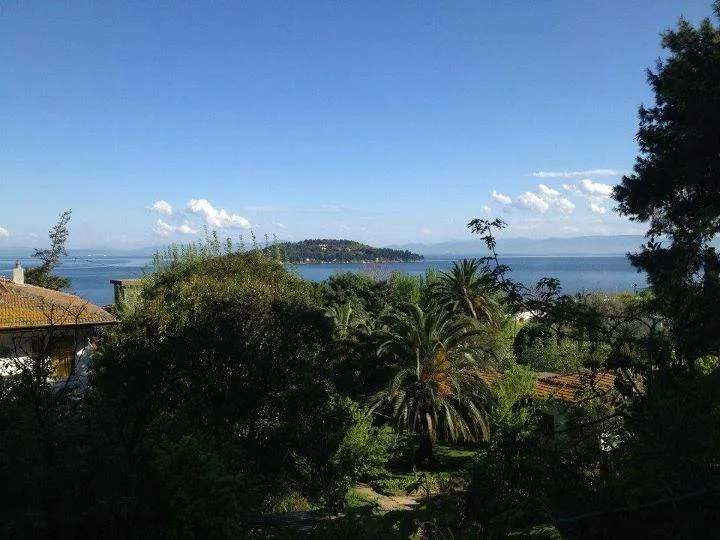
A profile for those who know that crossing water changes more than geography The moment the ferry pulls away from Bostancı, Kartal, or Kadıköy, the mainland starts to dissolve. The skyline is replaced by open water, gulls follow the wake, and the scent shifts from exhaust and concrete to salt and pine. The Adalar —
-
Kadıköy: Where the City Faces Itself
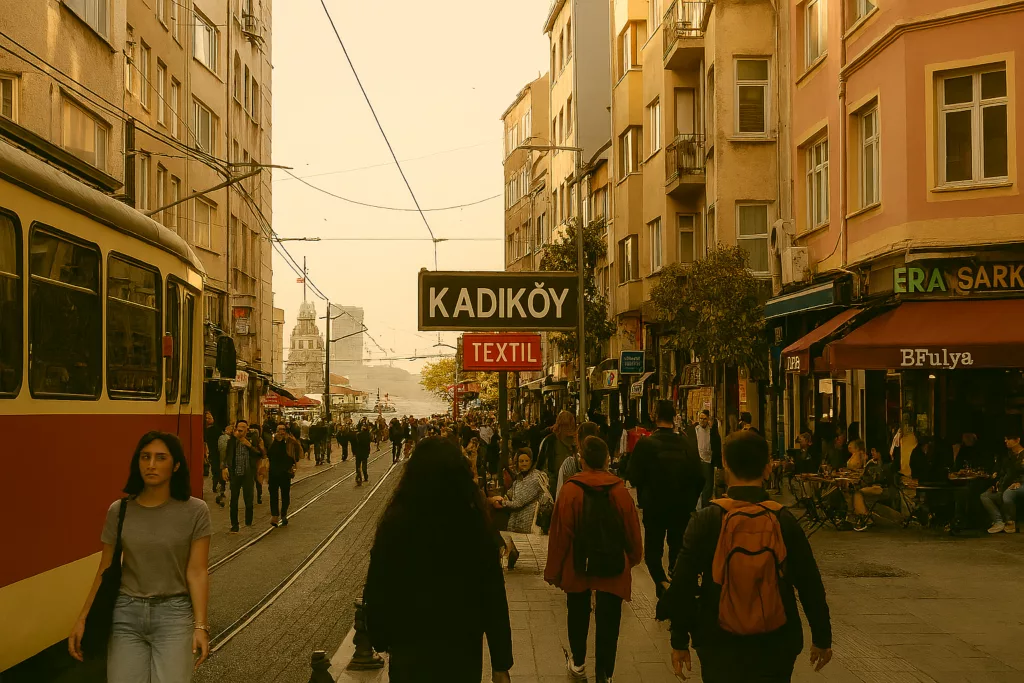
A neighborhood profile for those who prefer frayed edges to clean lines Kadıköy is not a secret. It’s not a discovery. It doesn’t need to be “found” — it’s been here all along, thrumming with a confidence that neither courts outsiders nor hides from them. This is the Asian side’s gravitational core, the place where
-
Asian Side: Istanbul Beyond the Crossing
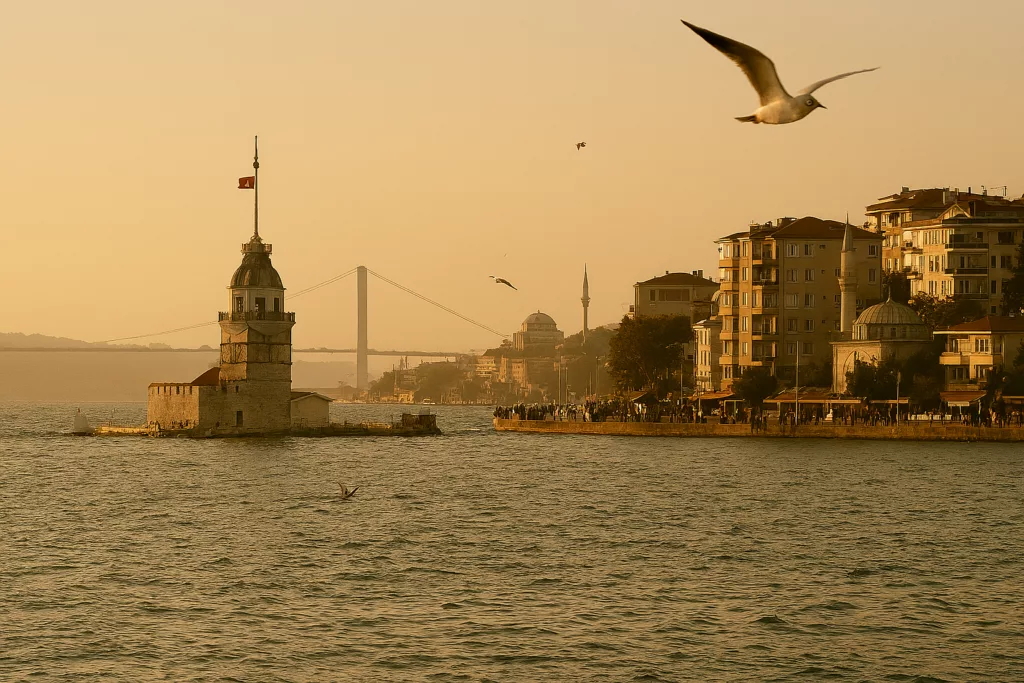
A shore that doesn’t perform — it lives For many, the Asian Side is “the other half” of Istanbul — the side reached by ferry, less photographed, less mythologised. But that shorthand underestimates it. This shore has its own gravitational pull, a collection of districts that don’t orbit the European skyline at all. Life here
-
Üsküdar: The City Between Shores
A neighborhood profile for those who know that crossing the water changes more than the view Stand on Üsküdar’s ferry pier at dusk and you’ll see Istanbul at its most cinematic: the Bosphorus running silver in the evening light, seagulls suspended mid-air, the domes and minarets of the European side lined up like a stage
-
Ümraniye: Istanbul’s Unfinished Sentence
A neighborhood profile for those who read cities between the lines Ümraniye doesn’t ask to be liked.It doesn’t offer charm, skyline views, or curated cafés. It’s not a place you stumble into while sightseeing. It’s a place you arrive in — deliberately or by necessity — and slowly begin to understand. This is Istanbul without
-
Ataşehir: Istanbul’s Vertical Experiment
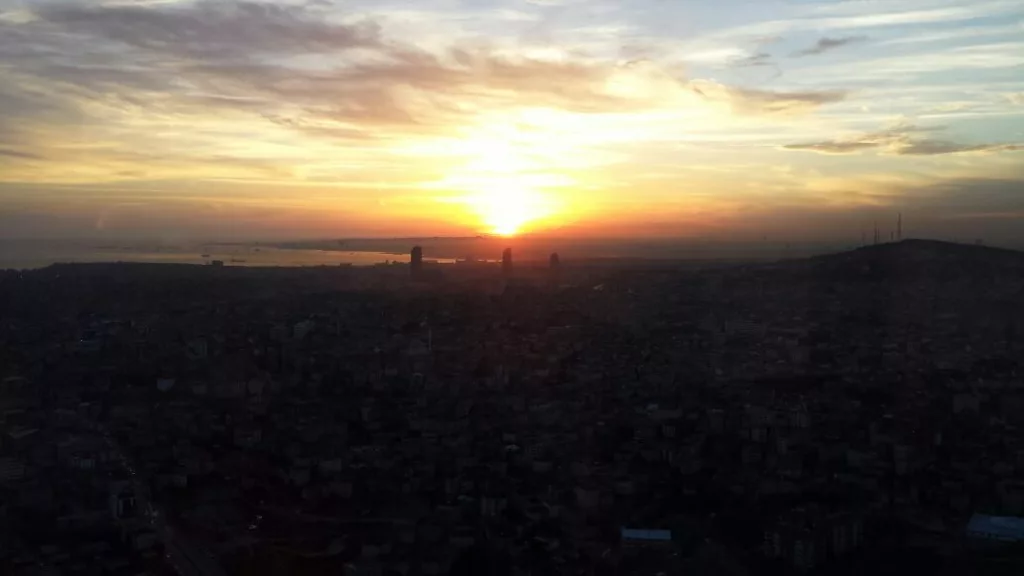
A neighborhood profile for those who read cities like texts, not brochures Ataşehir is not charming. It doesn’t pretend to be.There are no cobblestone streets, no Ottoman mansions, no seaside cafés with cats curled under wrought-iron chairs. Instead, there are towers. Grids. Parking lots. Elevators. And yet, Ataşehir is one of the most honest neighborhoods
Welcome to Residence Istanbul — a slow, independent guide to one of the world’s most layered cities.
This is not a platform for reservations, rankings, or travel deals. It’s a place for those who want to understand Istanbul not as a destination, but as a living, breathing organism.
A city to inhabit, to observe, to feel in its contradictions: where ancient mosques share a skyline with glass towers, and fishermen cast their lines beside the commuter ferry.
We don’t sell rooms. We don’t chase trends. We don’t pretend to be neutral. We write about Istanbul the way it deserves to be written: with nuance, with affection, and with a healthy dose of skepticism — because love without clear eyes is just tourism.
🧭 What You’ll Find Here
Neighborhoods, not listings
Each district is treated as a character — with its own rhythm, contradictions, and charm. From the faded grandeur of Moda’s seaside apartments to the chaotic poetry of Tarlabaşı’s steep, narrow streets, we explore places not to rate them, but to reveal them.
Local life, unfiltered
How people move, eat, argue, rest. The unhurried morning on the ferry, the clink of tea glasses, the unspoken etiquette of the weekly bazaar. We capture the city’s habits and atmospheres — those fleeting, everyday moments no guidebook thinks to mention.
Cultural selections, not calendars
We highlight exhibitions, concerts, forgotten cinemas, and underground venues. Not because they’re trending, but because they matter to the city’s pulse. Istanbul’s cultural life is vast, messy, and often invisible — we try to make it legible without flattening it.
Practical resources, minus the jargon
For those who want to linger beyond a weekend — or even settle in. Visa pathways explained clearly, housing insights from the ground, transport hacks that make the city smaller, language tips that open doors. No affiliate links. No sponsored gloss. Just clarity.
📌 Why This Site Exists
Because Istanbul is constantly misrepresented — reduced to a skyline, a bazaar, a postcard cliché. Because most platforms are designed to sell, not to tell. Because the city deserves better.
Residence Istanbul was born out of frustration — and a desire to create something slower, more thoughtful, more truthful. A place for curiosity to stretch its legs.
We believe cities are ecosystems, not commodities. We believe writing should respect complexity. We believe in Istanbul — in all its noise, its silences, its stubborn beauty.